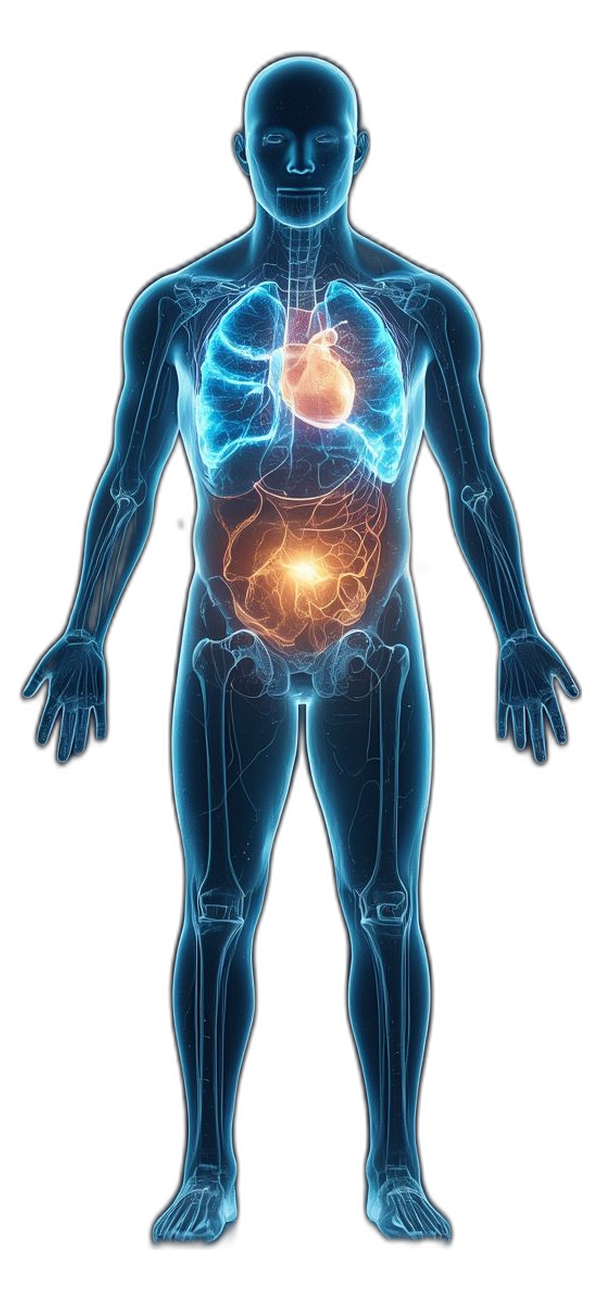
Healthcare runs on data. The problem has never been the data — it's where it lives. Buried in categories. Locked behind queries. Invisible until someone thinks to look. Saliux puts it where it belongs: on the body.
Rotating care teams. Shift changes. Specialist consultations. Every new clinician starts from zero. That costs time — and time in a clinical setting costs more than money.
EHR systems navigate by category. Findings hide behind menus. Peripheral awareness — the kind that catches what deliberate search misses — doesn't exist in a text-table interface.
The pressure for faster patient throughput is real. Pre-procedure assessments. Care transitions. Handoffs. Every manual step is a bottleneck that modern visualization can eliminate.
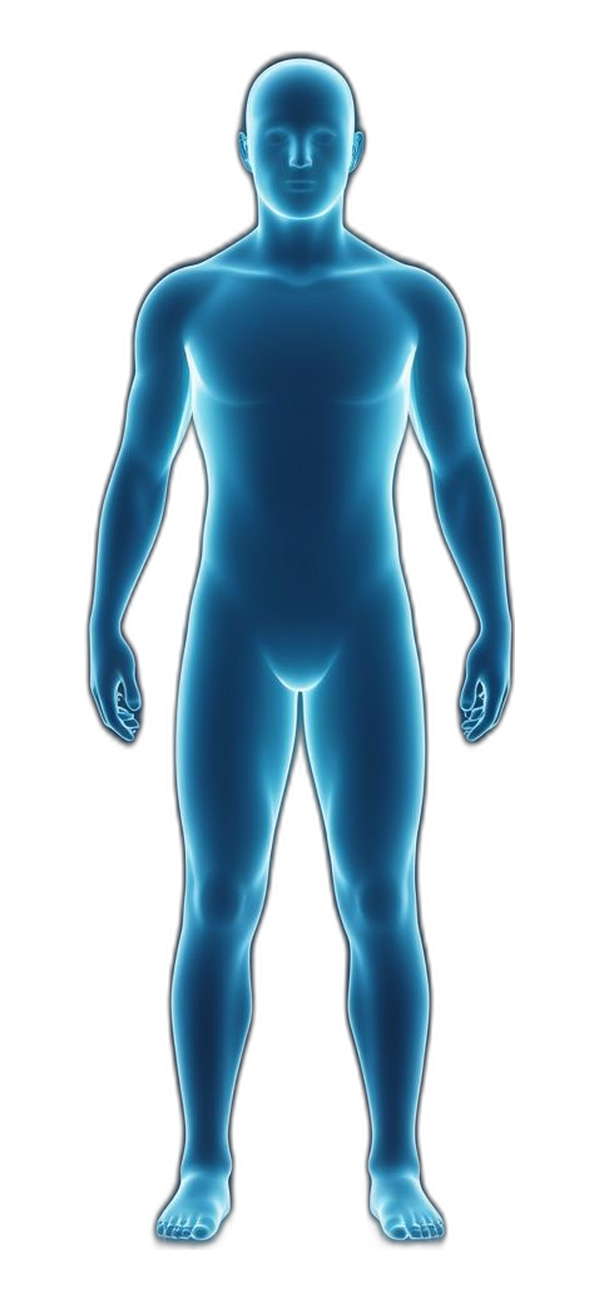
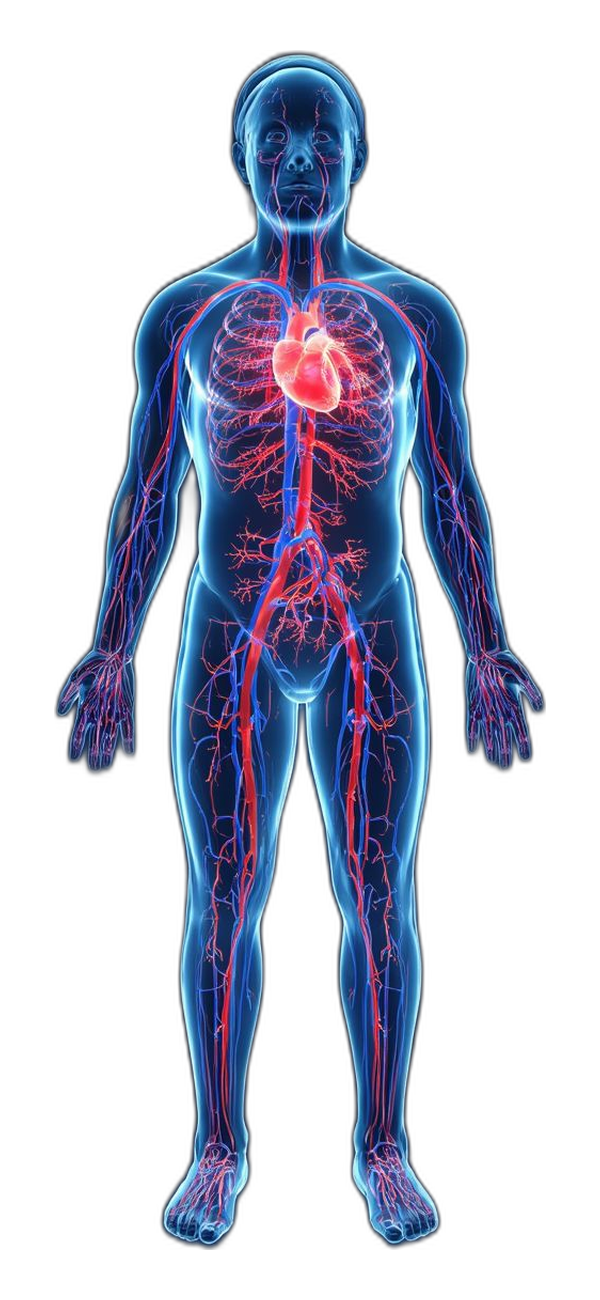
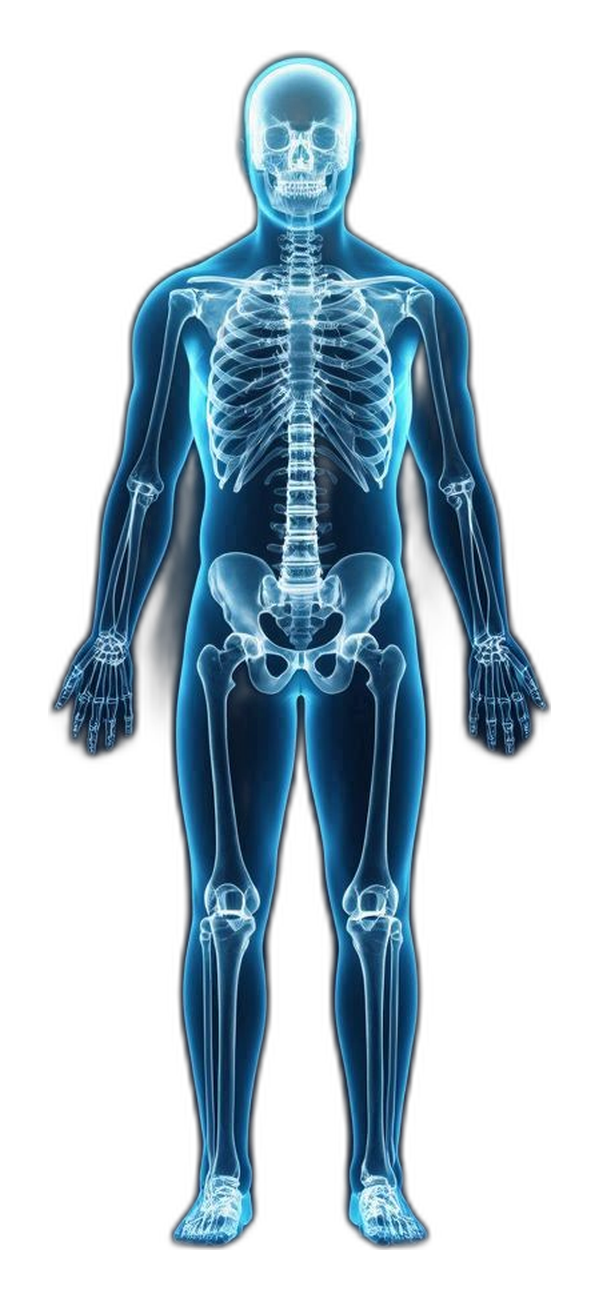
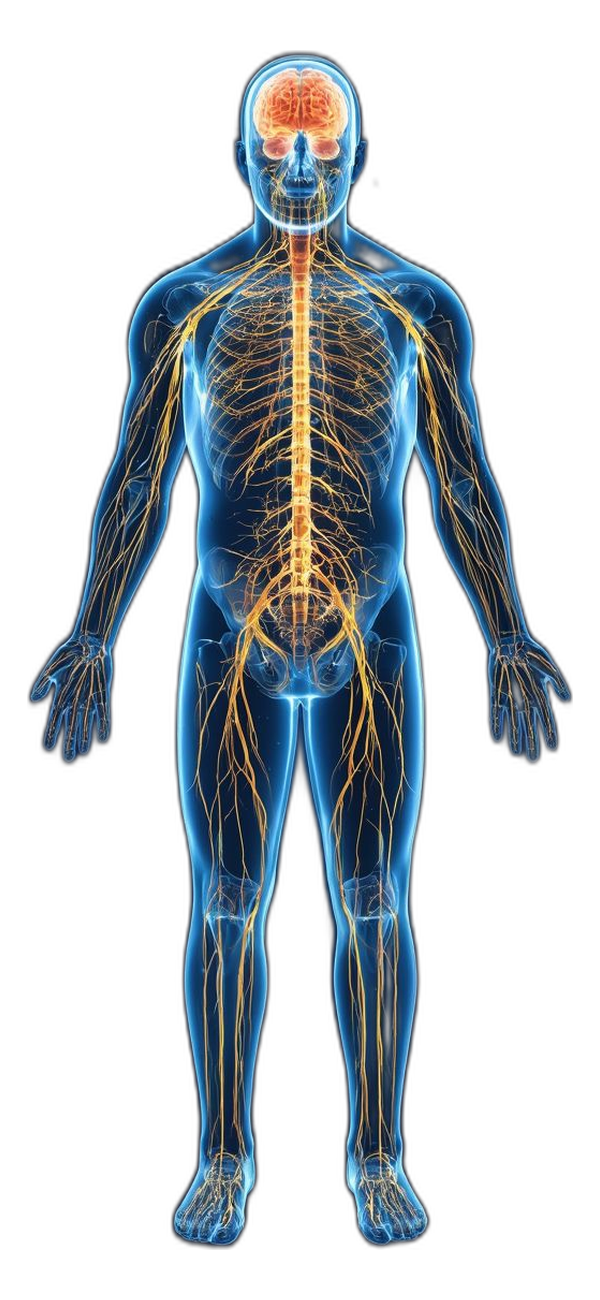
When clinical data maps to anatomy rather than administrative category, something changes. A clinician walking into a room sees the patient's full picture — current and historical — without navigating a single menu. Findings surface in context. The intelligence layer continuously analyzes what it sees and flags what may need attention. All of it, at a glance.
Patient data anchored to anatomy — not buried in categories or tab trees.
Years this gap has existed in clinical visualization
Clinicians who may rotate through a single patient's care during a hospital stay
Additional data entry required to see the full patient picture
"Intuitive navigation to patient-specific conditions. The pathway from patient to provider is immediately clear."
Body-mapped patient visualization for the point of care. The complete picture, immediately available, in the room.
Explore VPIThe same intelligence, in the patient's hands. Personal health record, body-mapped, always with them.
See the platform